Lacquer Cutting Explained – How Vinyl Records Are Made

What Is a Lacquer Cut in Record Manufacturing?

Before any vinyl record reaches a turntable, the first and most important step in the manufacturing process is the lacquer cut. For artists, labels, and audio professionals, understanding this stage is essential — because the quality of the lacquer directly impacts the sound of every pressed record that follows.

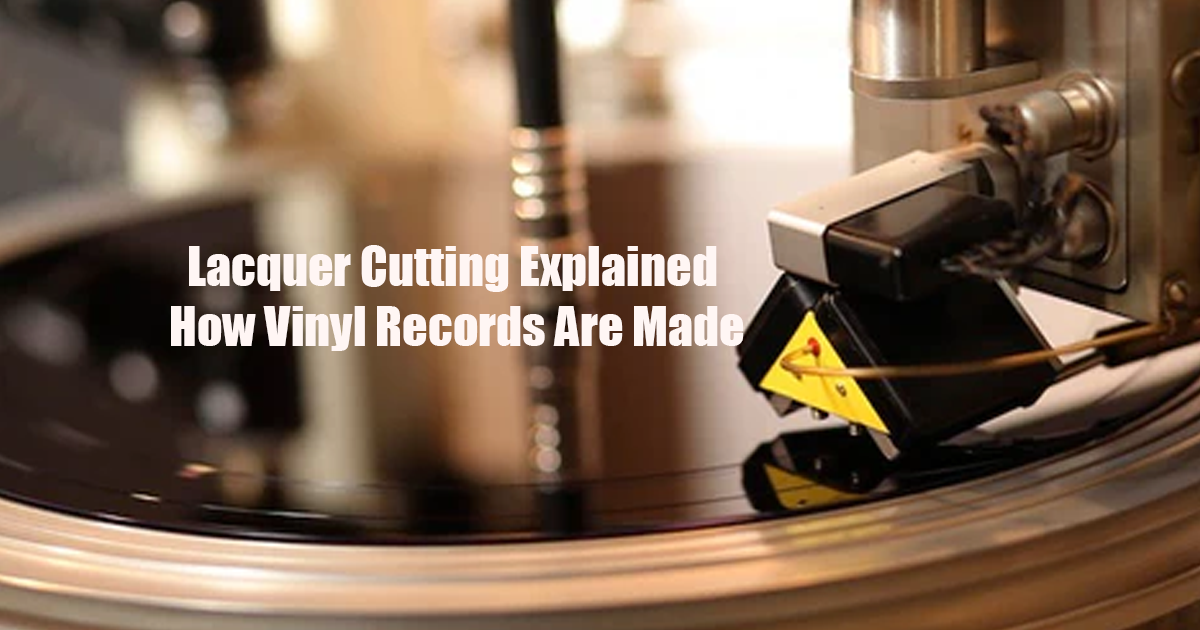
A lacquer cut is the process of transferring the final mastered audio onto a lacquer-coated aluminum disc. This disc is soft enough for a cutting stylus to engrave grooves into it, capturing every detail of the audio. A skilled cutting engineer, often working alongside a mastering engineer, adjusts levels, EQ, spacing, and groove depth to ensure the record plays back cleanly without distortion or skips.

Once the lacquer is cut, it is carefully inspected and then sent to the pressing plant for electroplating. During electroplating, the lacquer is turned into a metal stamper — the mold used to press thousands of vinyl records. Any imperfections in the lacquer (dust, scratches, or mastering errors) will appear on every pressed copy, which is why this step requires precision, experience, and a pristine environment.

Lacquer cutting also influences how special vinyl formats like splatter vinyl, color variants, or audiophile pressings will turn out. Even the most visually stunning vinyl pressing depends on a flawless lacquer to deliver warm, dynamic playback.

For independent artists releasing on Bandcamp, or engineers working in live music, sound engineering, or audio engineering, understanding lacquer cutting helps set realistic expectations for timelines, sound quality, and final product consistency.

In the world of music manufacturing, the lacquer is the true “master” — the foundation of every groove that fans will hear for decades.

Contact
Order Form


Records Pressing by In CDN $
vinyl records pressing by in USD


#vinylpressing #vinylpressingcanada #pressingplant #bandcamp #soundengineer #audioengineer #livemusic #musicmanufacturing #recordpress #splattervinyl #vinylrecordpressing
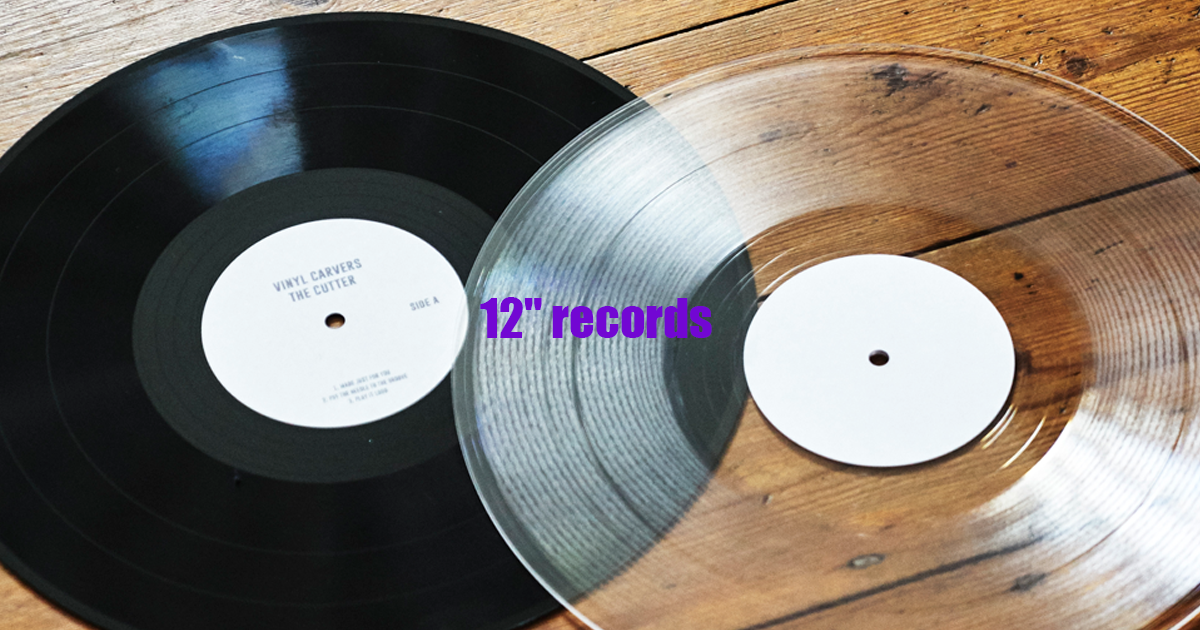
12″ records

vinyl records mastering for 12″ records colour A-B labels front and back white paper poly lined sleeves, full colour record jackets no spine assembled shrink-wrapped.

50. 12″   $ 799.99

100. Retail Ready 12″  $ 999.99

200   $ 1,249 USA 2025

credit card add 3% + Delivery

Records in 5 weeks 

Contact
Order Form


Records Pressing by In CDN $
vinyl records pressing by in USD


How Do You Make Vinyl Records?

How Do You Make Vinyl Records?

Vinyl records have made a major comeback — not just as collector’s items, but as a symbol of pure, analog sound. But have you ever wondered how vinyl records are actually made? The process is a fascinating mix of art, science, and craftsmanship that takes music from digital or analog recordings and turns it into the warm grooves that music lovers can touch and hear.

1. Mastering the Audio

The journey begins with audio mastering, where engineers optimize the music for vinyl. This step ensures the best possible sound quality — adjusting frequencies, compression, and dynamics so the record plays beautifully on turntables. Unlike digital formats, vinyl can’t handle extreme highs or lows, so mastering for vinyl is a special skill on its own.

2. Creating the Lacquer Master

Next, the mastered audio is sent to a cutting lathe — a precision machine that etches the sound waves onto a lacquer disc. This lacquer master contains the spiral groove that represents the entire album. Each groove is literally a physical imprint of the sound!

3. Electroplating and Stamper Creation

The lacquer is then coated in silver and electroplated with nickel to create a metal negative called a stamper. This stamper is used like a mold — it presses the grooves into soft vinyl material during manufacturing. Two stampers (one for each side) are needed to make a complete record.

4. Pressing the Vinyl

At the vinyl pressing plant, PVC pellets are melted and pressed between the stampers at high pressure and temperature. Once cooled, the record is trimmed, inspected, and ready to spin. This is the heart of the operation — where sound becomes a physical, playable work of art.

5. Quality Control and Packaging

Every record goes through a visual and sound check to ensure there are no pops, skips, or imperfections. Once approved, records are sleeved, labeled, and packaged — ready for distribution to stores, artists, and collectors around the world. Vinyl record production blends modern precision with vintage charm. Each step — from mastering to pressing — adds to the authenticity and warmth that only vinyl can deliver. The next time you drop the needle on your favorite LP, remember the incredible craftsmanship behind every groove.

Best RecordFactory USA Prices
Best Canada VinylMakers

🎶 #VinylProduction #RecordFactory #VinylPlant #VinylMakers